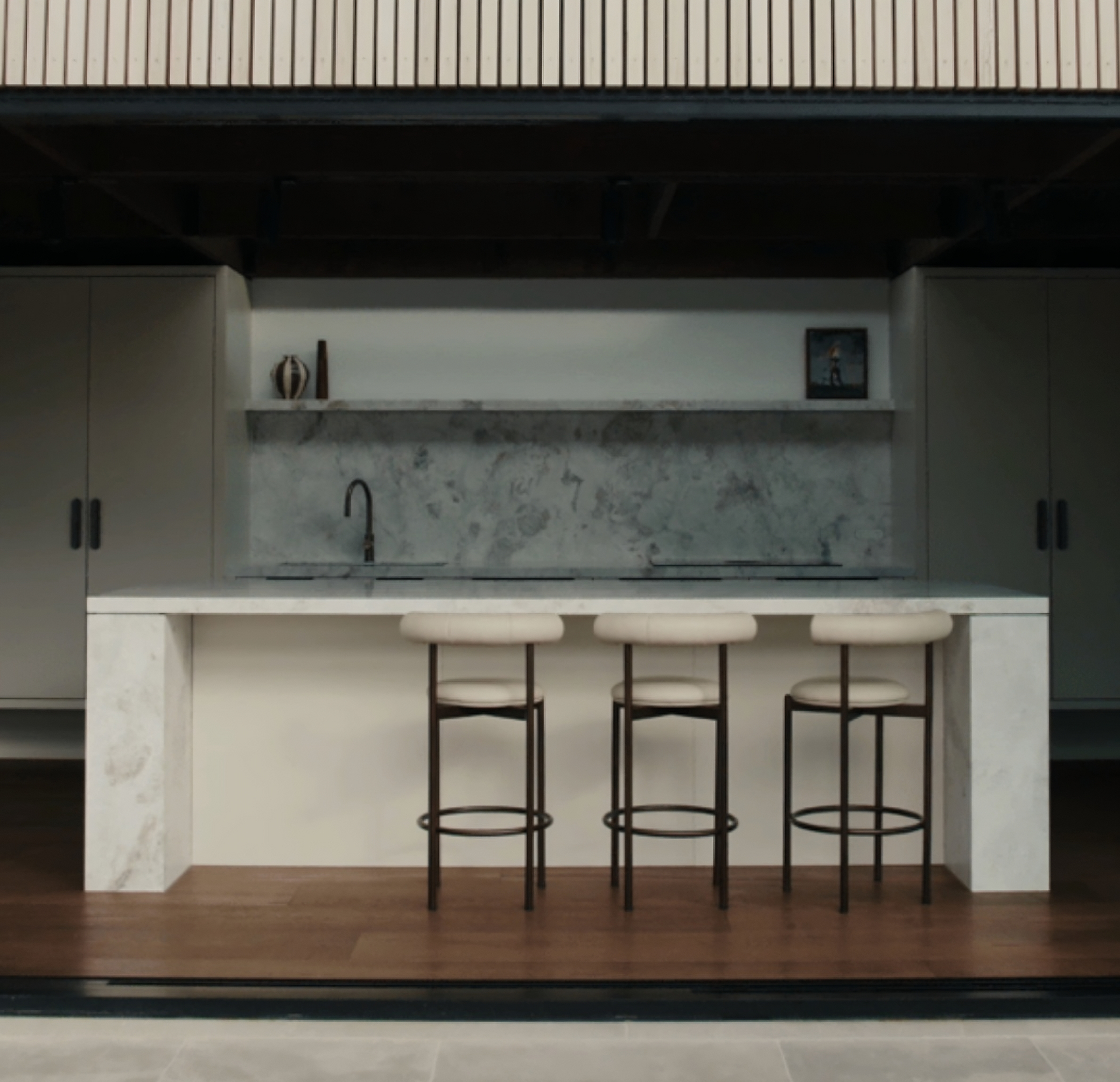
Designed By Bergman & Co. — The Florence, Flinders Lane
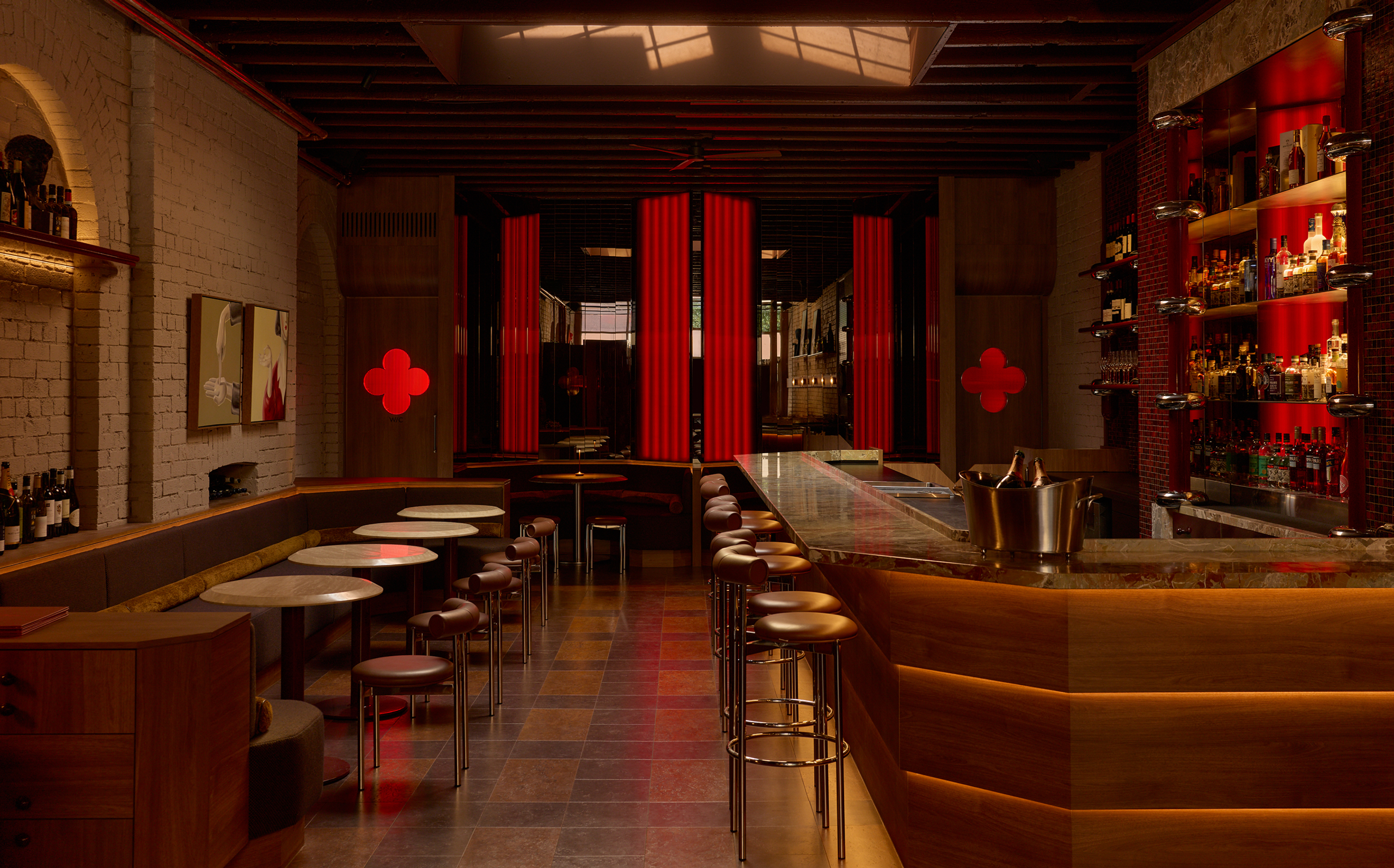
For this edition of Designed By, we visit The Florence on Flinders Lane, designed by Melbourne interior design studio Bergman & Co, led by Founder and Director Wendy Bergman.
The brief was to create a venue capable of carrying guests from aperitivo through to late-night conversation. While The Florence occupies a single room, Bergman & Co has created a sequence of distinct atmospheres — moving from warm, open and sociable spaces into more intimate enclosures as the evening progresses.
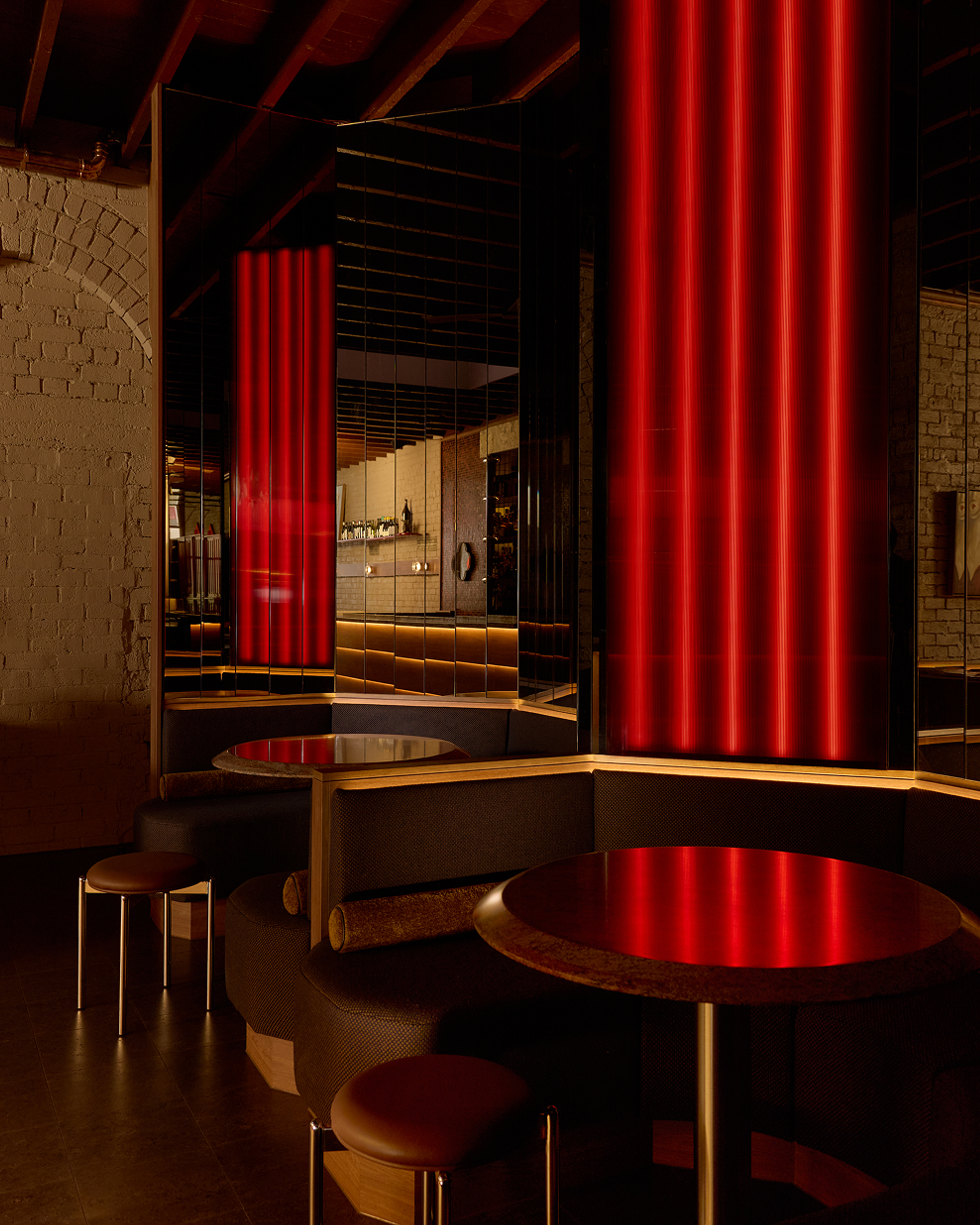
NOMI’s Amelia Collection runs throughout the project, allowing one consistent design language to move across different settings and functions. The Amelia Café Stool, Barstool and Side Chair shift in scale as required while maintaining a clear visual connection across the interior.
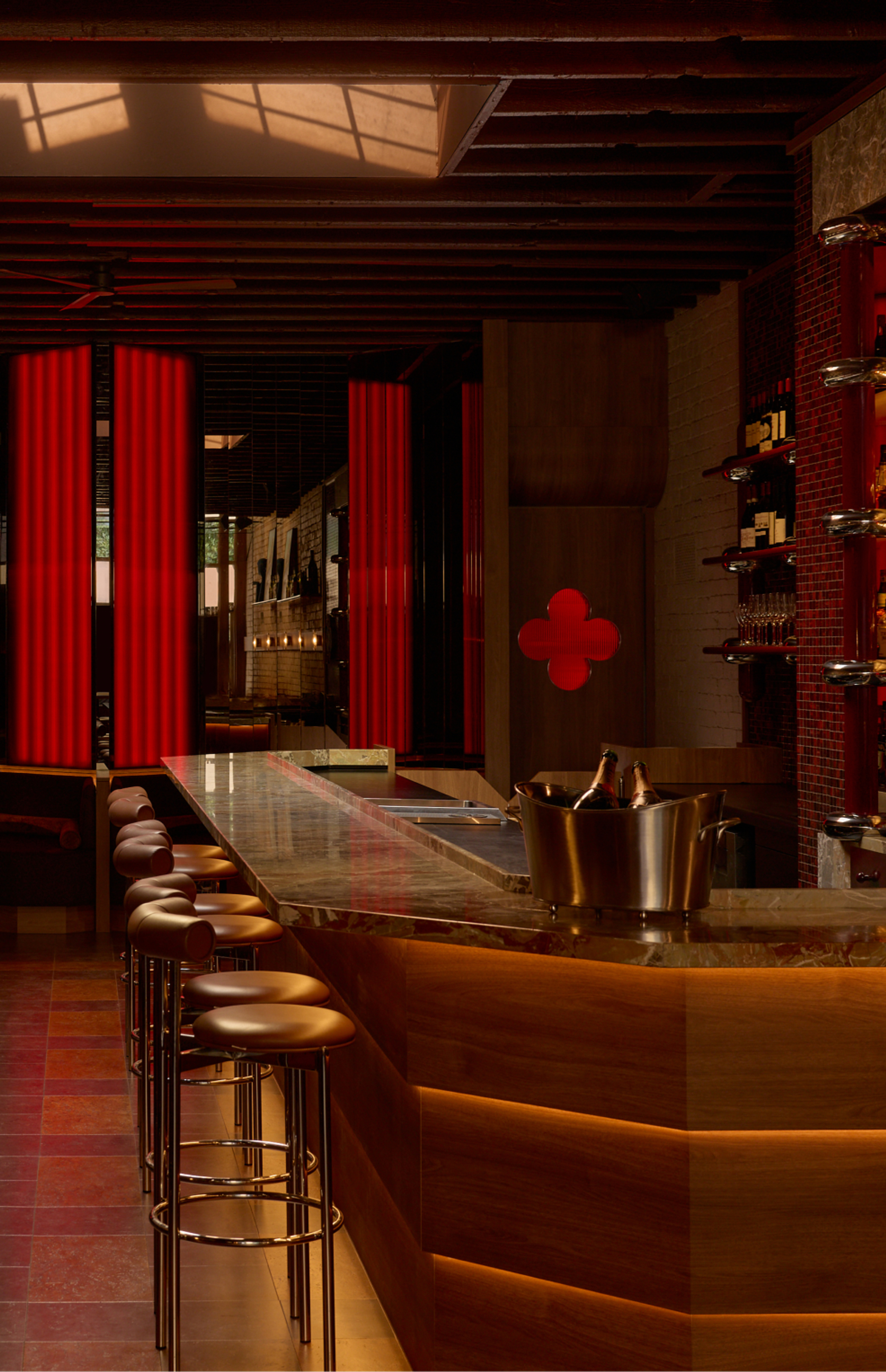
Every Amelia piece specified for The Florence shares the same material palette: polished stainless steel paired with hazelnut Italian leather. The combination brings warmth to the reflective metal frame while reinforcing the richness and restraint of the wider interior.
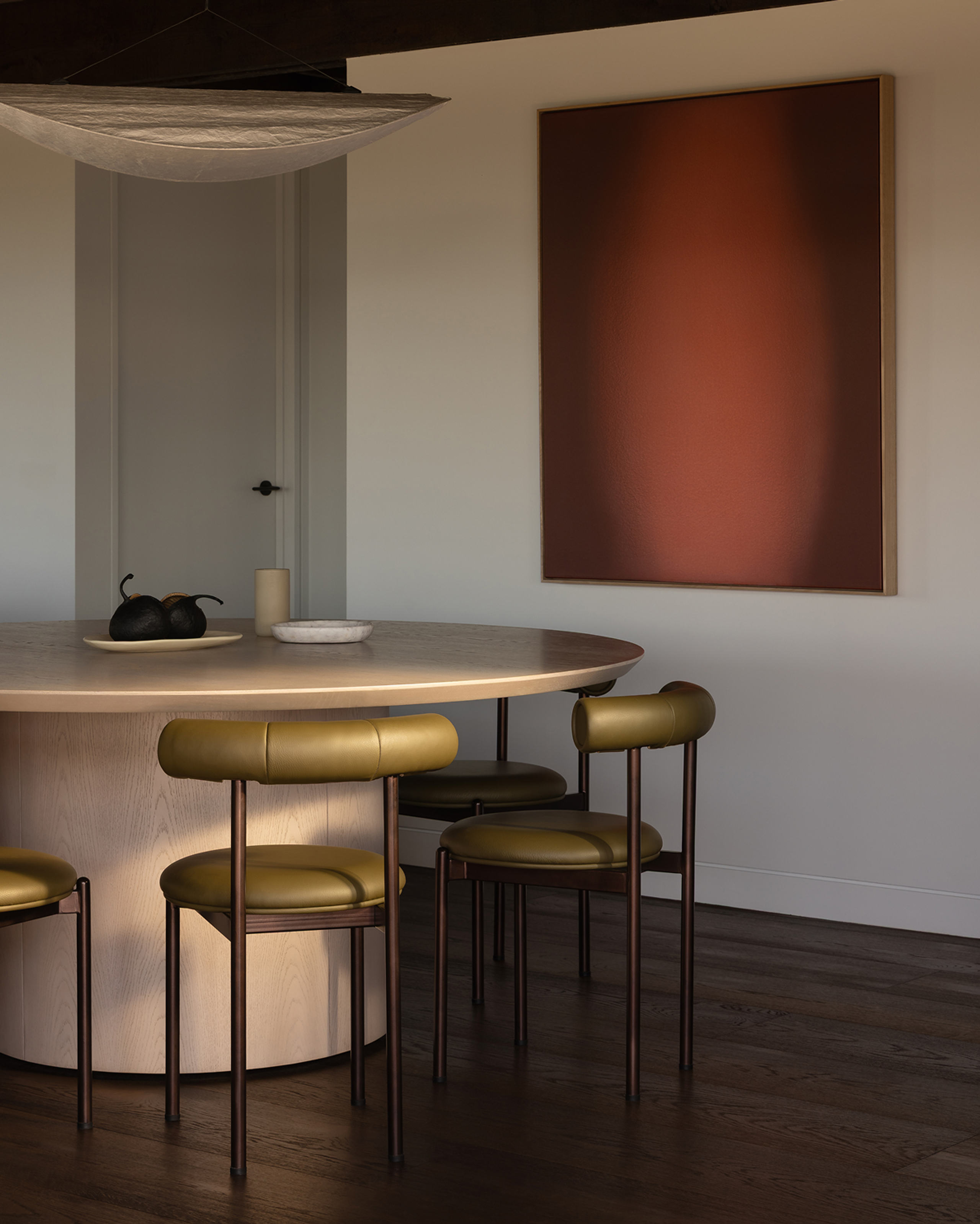
Every project comes with its own set of challenges: what were the most interesting ones you faced here, and how did you approach them?
Every project has its challenges, and with Portsea the most defining ones came from the broader context of its timeline. Having begun the design stages in 2021, navigating the design and construction phases during COVID lockdowns meant constant shifts in availability, supply chains, and lead times. On top of that, the significant increase in building, material, and furniture costs required us to approach every specification with even greater rigour. We reviewed each element carefully to ensure it still offered true value to the project — not just financially, but in terms of longevity, function, and alignment with the design vision. In many ways, those constraints sharpened our decision-making, pushing us to prioritise what would have the greatest long-term impact.
How did collaboration with the client shape the outcome of this space?
This project involved a significant level of client involvement and interest throughout all design and construction stages. They were deeply invested in the outcome, and pushed us on many of the design decisions along the way. That level of engagement created a constant dialogue — one that challenged us to refine, justify, and occasionally pivot on our choices to better suit their lifestyle and family needs. Rather than diluting the vision, this process strengthened it. Their trust allowed us to be bold with certain selections, while their questions encouraged a level of rigour that ultimately elevated the detail and cohesion of the home. It became a true partnership, where their aspirations and our design expertise worked hand-in-hand to restore and reimagine the property.
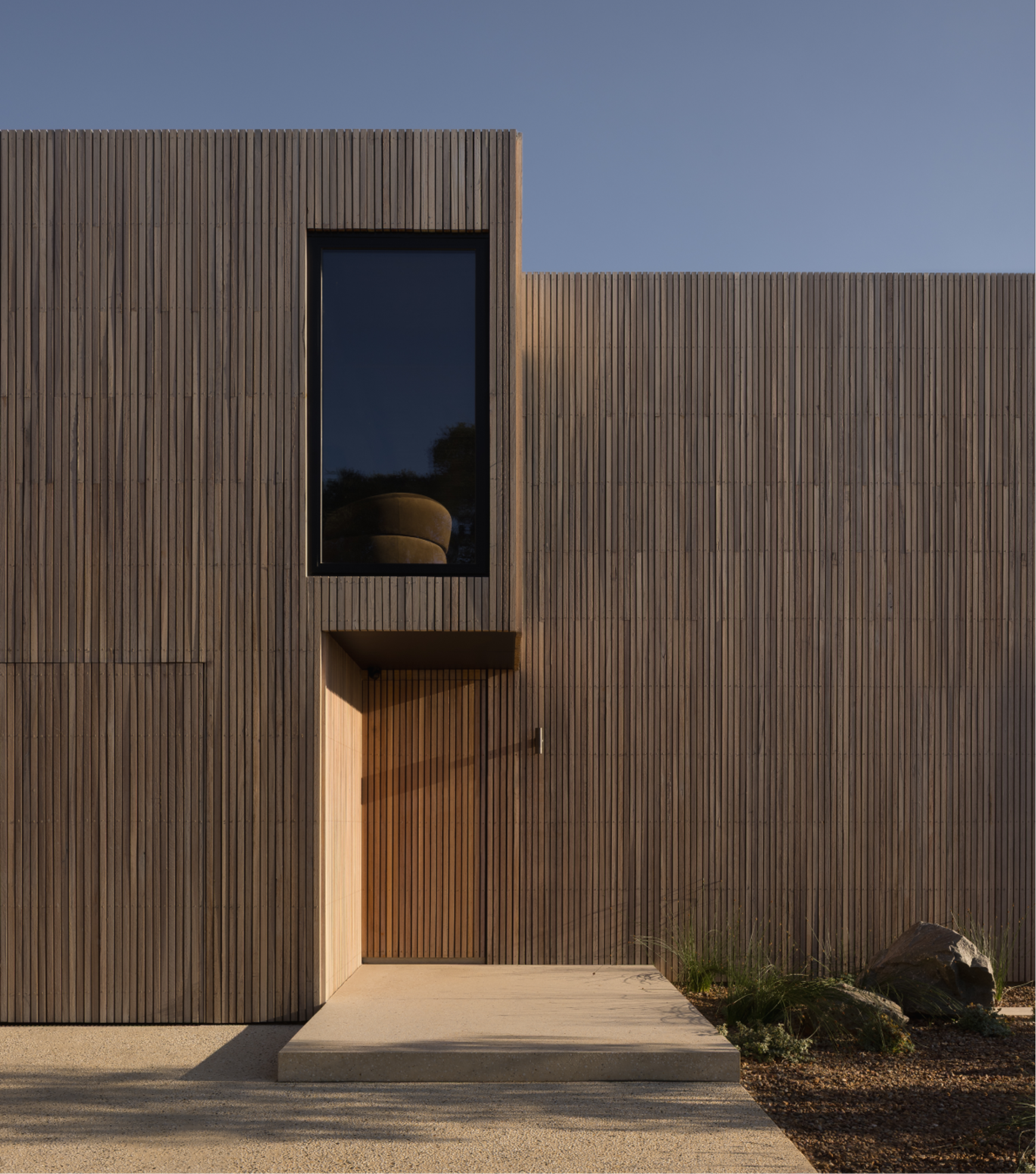
Were there particular moments in the design process where the project shifted direction or revealed something unexpected?
Yes — one of the more defining moments was early in the design process, when the project could have easily gone down the path of a more traditional beach house aesthetic and palette. The clients were naturally drawn to that idea, but we felt strongly that the property’s original architectural character and was the very quality that drew them to purchase it in the first place.It took some persuasion and trust-building, but ultimately the clients embraced the idea of restoring and reimagining original elements of the home in a way that honoured its 70s coastal charm while layering in contemporary refinement. That shift not only preserved the integrity of the architecture, but gave the interiors a depth and authenticity that a generic coastal style simply couldn’t deliver.