
Got a question? Call or chat with us.

Express and tracked white glove deliveries.
© 2026 NOMI | All Rights Reserved


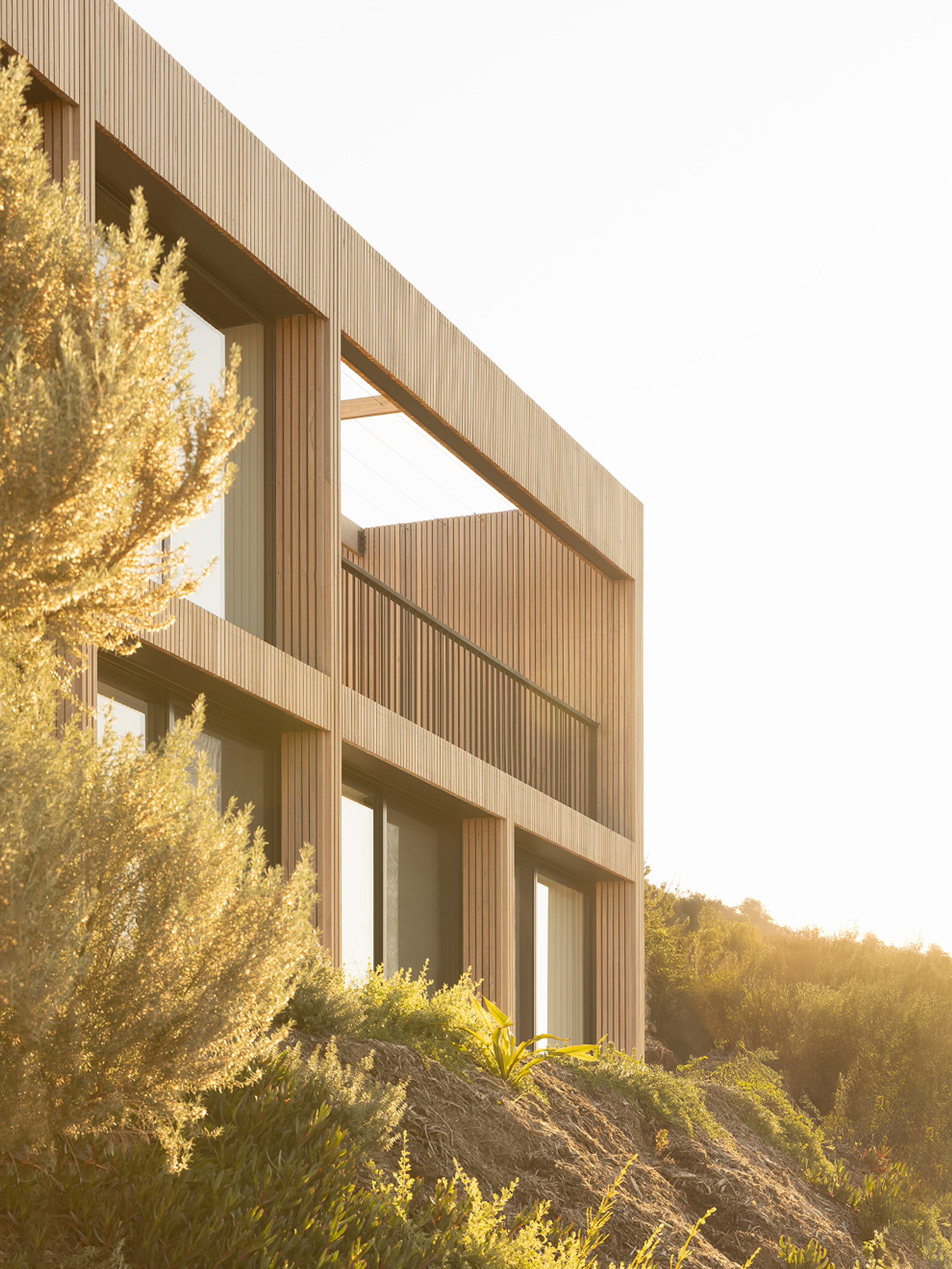
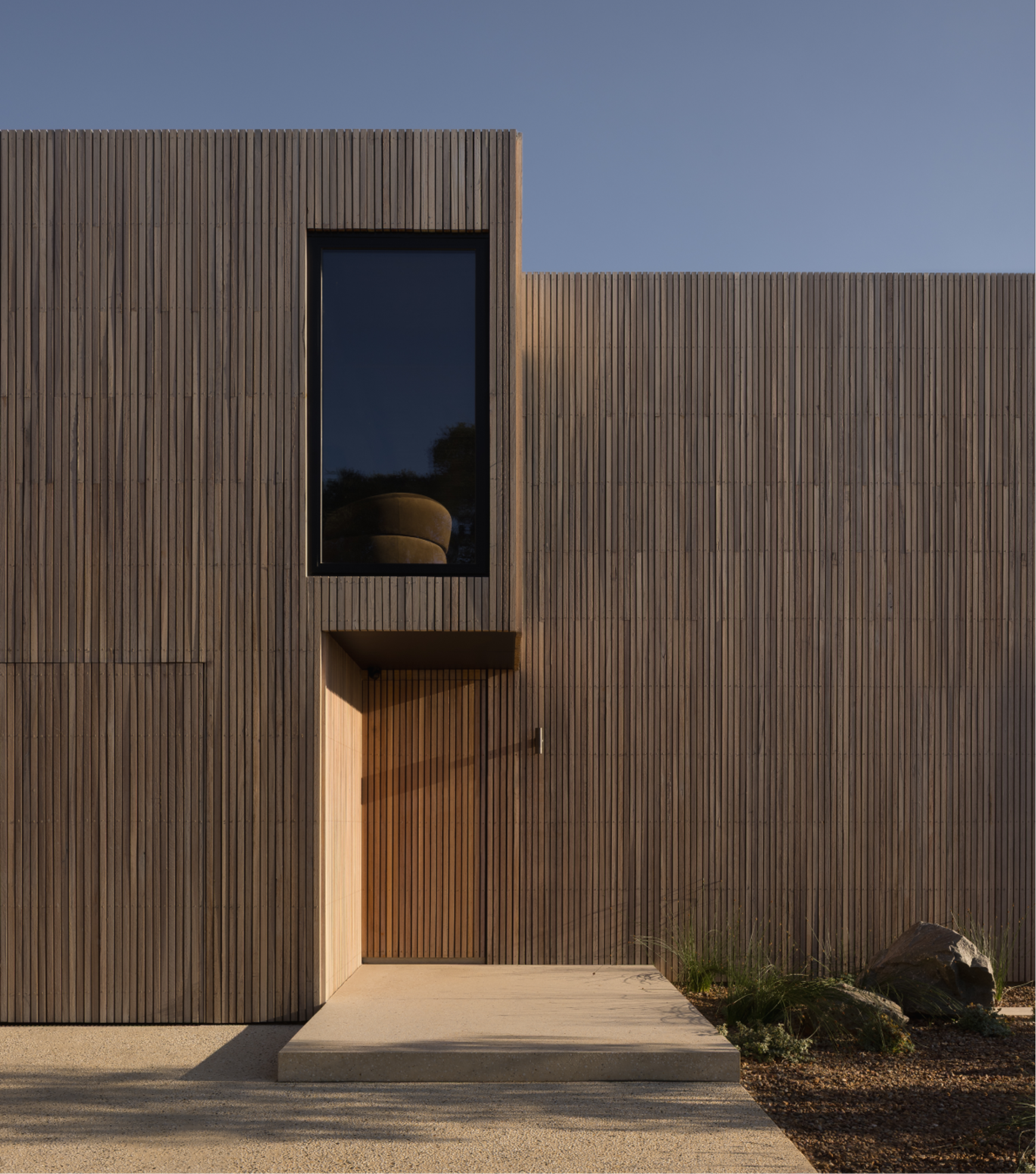
For our second instalment in our “Designed By” series, we talk to Karina Harvey from Fluent Studio about her Portsea Project. Set against the coastal backdrop of the Mornington Peninsula, the home was conceived as a serene summer retreat, a place of quiet luxury, where timeless design shapes the character of the space.
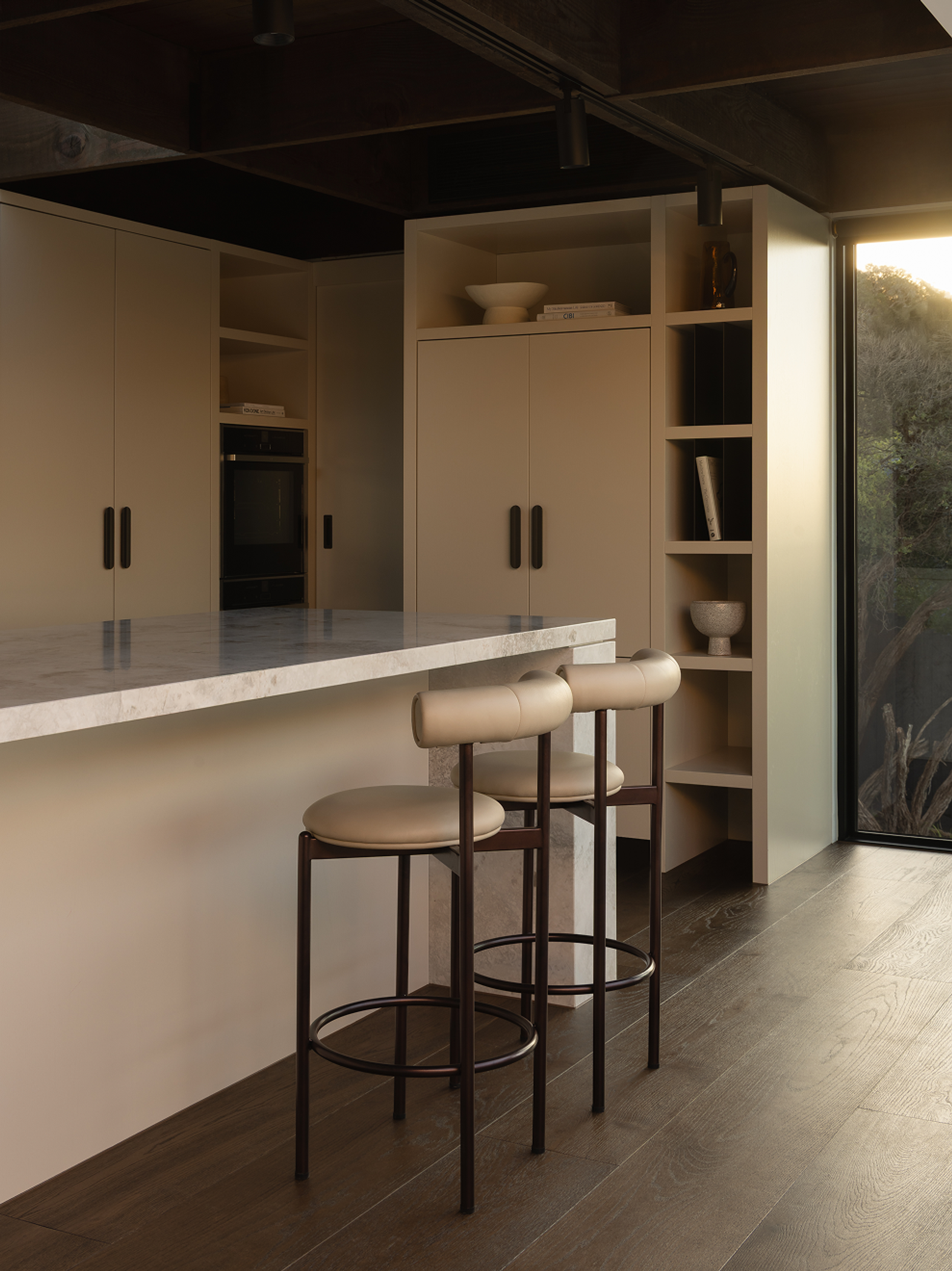
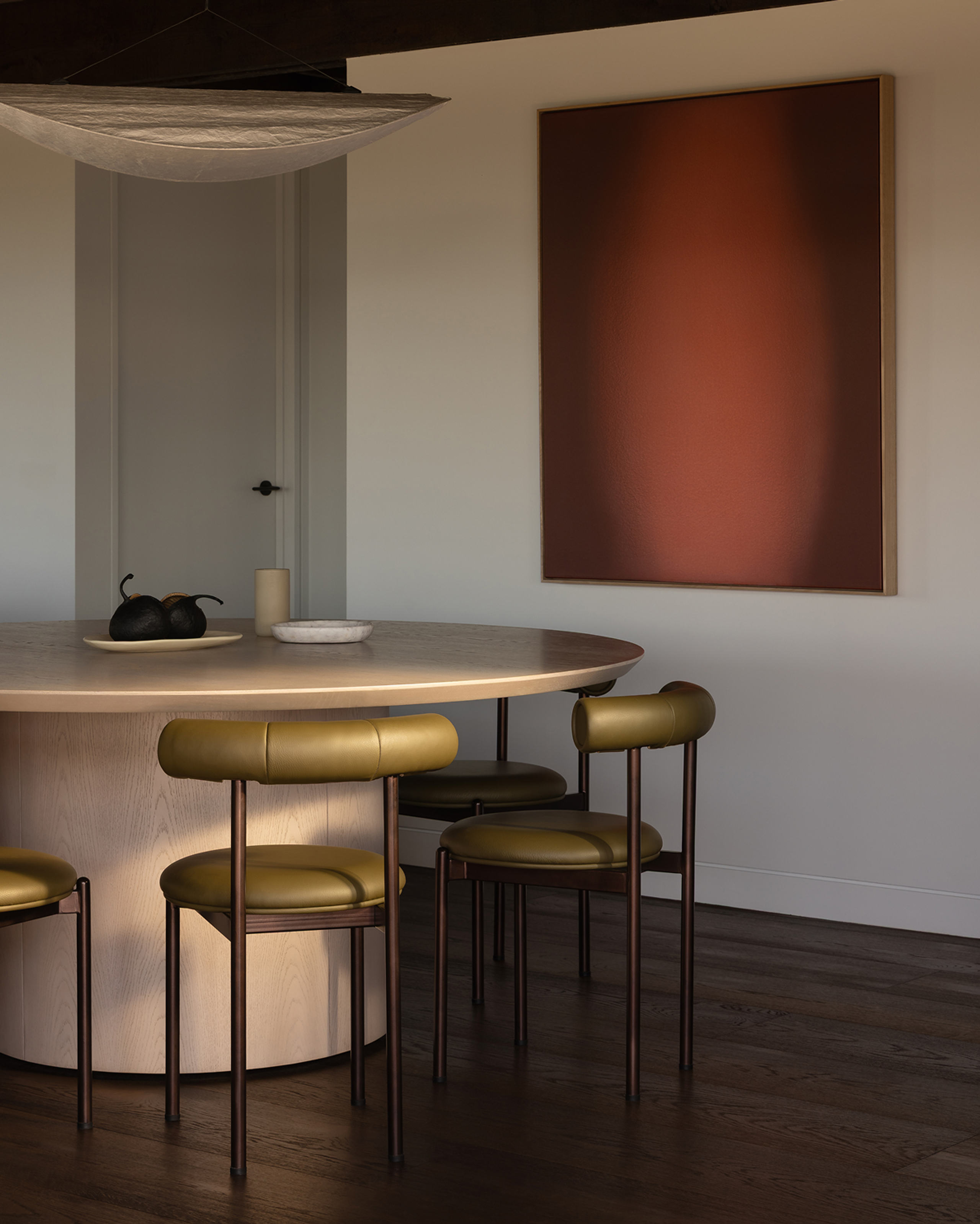
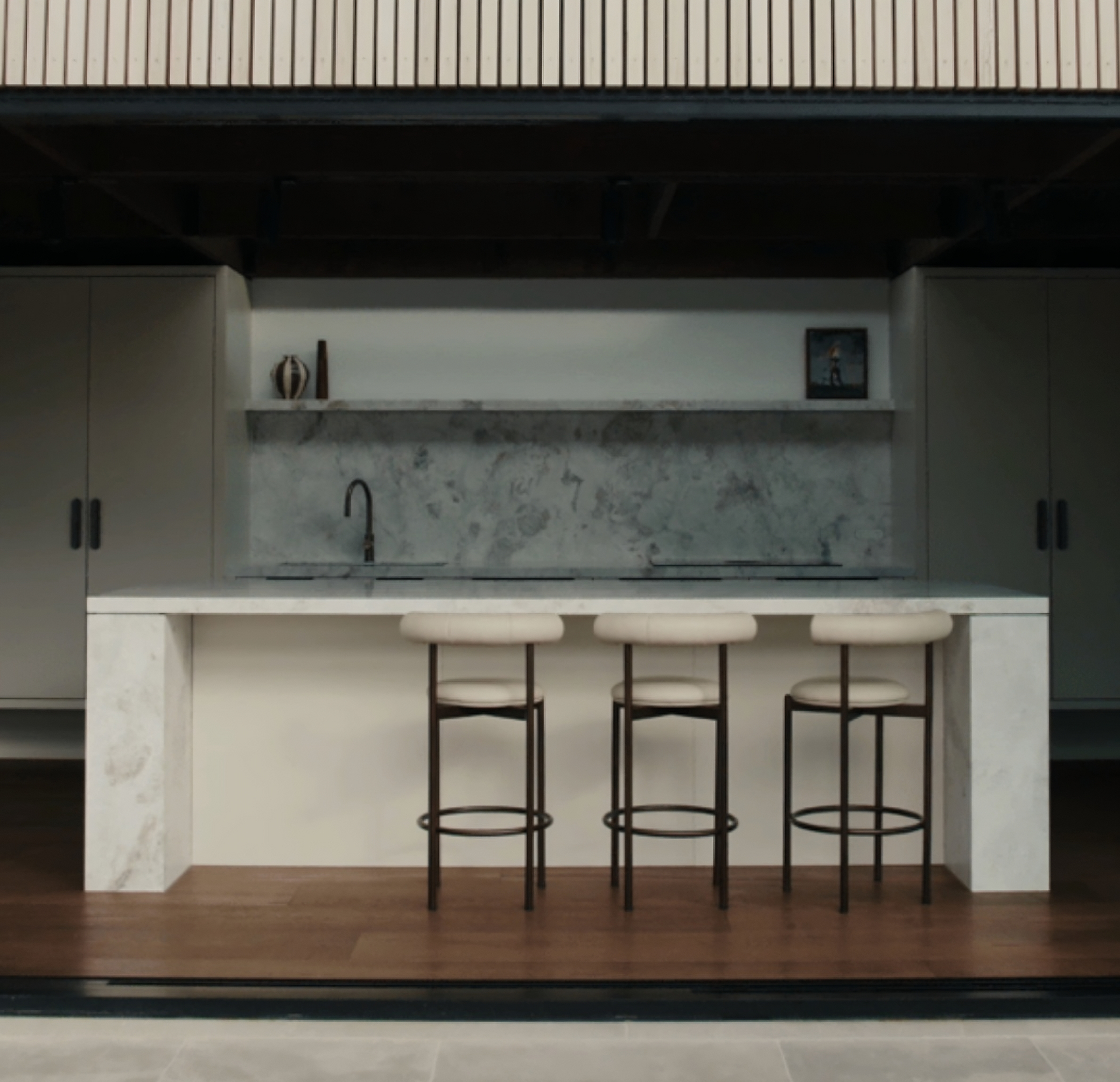
In working with Karina and the team at Fluent Studio, we used our configurator and in-house designers to adapt a selection of pieces specifically for the project. A custom-edged Gathering Table in White Wash Oak anchors the dining area with clarity and scale. The Amelia Barstool, finished in burnished copper and Italian leather, introduces a sculptural note to the kitchen, while the Amelia Side Chair provides a subtle continuity across the project.
We sat down with Karina to unpack the design thinking behind the project — from the guiding ideas and material palette, to the collaborative process that shaped the final outcome.
What was the guiding idea or story behind this project, and how did it influence your design choices?
The guiding idea for the Portsea project was to create a refined yet relaxed coastal retreat that balances luxury with livability. From the outset, our focus was on designing interiors that felt timeless and sophisticated, but also deeply connected to the lifestyle of the Mornington Peninsula. We wanted the home to be elegant without feeling precious—spaces that could host family and friends for long summer holidays, but also feel intimate and comfortable for everyday living. This vision shaped all of our design choices, from the thoughtful spatial re-plan that maximised natural light and flow, to the selection of finishes and furnishings that layered natural textures with a muted, coastal-inspired palette.
“The story of the project really became about harmony: between interior and exterior, between architectural structure and soft furnishings, and between luxury and ease. Every decision was filtered through that lens, which gave the final result its calm, cohesive, and enduring quality.”
What role do materials and finishes play in your storytelling as a designer, and how did that come through in this project?
For us, materials and finishes are one of the most powerful tools in creating impactful interior design, they set the tone of a space in a way that is both visual and tactile. In Portsea, we drew heavily on natural textures and a muted, coastal-inspired palette to anchor the interiors in their setting. Stone, timber, and soft textiles were layered to create depth and warmth, while carefully selected finishes gave the spaces a sense of refinement without tipping into formality. We use material layering to create interest and movement through spaces. Every surface was chosen with longevity in mind — materials that will patina gracefully and still feel timeless years from now.
How did you choose the Amelia and Gathering products for your Portsea Residence project?
Our selection of the Amelia range was shaped by the home's connection to its surrounding native landscape and warm interior palette. The Amelia Side Chair, upholstered in Italian leather Camouflage with a burnished copper frame, introduced a richness that sits seamlessly between the original cedar ceilings and dark floorboards, offering both depth and softness within the space. With its refined profile and comfortable proportion, it proved to be the perfect dining chair, visually elegant and effortlessly functional. The Amelia Barstool, in Papyrus leather and burnished copper frame, was chosen to sit in quiet cohesion with the kitchen’s cream-toned joinery, amplifying the harmony of materials defined in the kitchen while remaining visually understated. The bronze detailing across both pieces ties seamlessly into the home’s material language, echoing the home’s joinery hardware, tapware, and lighting. These finishes were selected for their ability to quietly reinforce the overall palette, bringing a sense of considered continuity throughout the interior.
Every project comes with its own set of challenges: what were the most interesting ones you faced here, and how did you approach them?
Every project has its challenges, and with Portsea the most defining ones came from the broader context of its timeline. Having begun the design stages in 2021, navigating the design and construction phases during COVID lockdowns meant constant shifts in availability, supply chains, and lead times. On top of that, the significant increase in building, material, and furniture costs required us to approach every specification with even greater rigour. We reviewed each element carefully to ensure it still offered true value to the project — not just financially, but in terms of longevity, function, and alignment with the design vision. In many ways, those constraints sharpened our decision-making, pushing us to prioritise what would have the greatest long-term impact.
How did collaboration with the client shape the outcome of this space?
This project involved a significant level of client involvement and interest throughout all design and construction stages. They were deeply invested in the outcome, and pushed us on many of the design decisions along the way. That level of engagement created a constant dialogue — one that challenged us to refine, justify, and occasionally pivot on our choices to better suit their lifestyle and family needs. Rather than diluting the vision, this process strengthened it. Their trust allowed us to be bold with certain selections, while their questions encouraged a level of rigour that ultimately elevated the detail and cohesion of the home. It became a true partnership, where their aspirations and our design expertise worked hand-in-hand to restore and reimagine the property.
Were there particular moments in the design process where the project shifted direction or revealed something unexpected?
Yes — one of the more defining moments was early in the design process, when the project could have easily gone down the path of a more traditional beach house aesthetic and palette. The clients were naturally drawn to that idea, but we felt strongly that the property’s original architectural character and was the very quality that drew them to purchase it in the first place.It took some persuasion and trust-building, but ultimately the clients embraced the idea of restoring and reimagining original elements of the home in a way that honoured its 70s coastal charm while layering in contemporary refinement. That shift not only preserved the integrity of the architecture, but gave the interiors a depth and authenticity that a generic coastal style simply couldn’t deliver.
When you step back and look at the finished project, what details or elements are you most proud of?
What I’m most proud of is the opportunity we had to deliver a truly full-service interior design programme, from re-planning the layout of the home, right through to the art, furniture, and final styling. It’s rare to be entrusted with that entire journey, and the result speaks to the value of having design carried seamlessly across every stage. Being involved at such depth meant that no detail was left disconnected — every decision, from joinery detailing to the placement of a vase, contributes to the overall story of the home. To me, that’s the essence of good design: a cohesive, considered outcome that feels both refined and deeply livable.
Interior Design, Furniture & Art selection: FLUENT STUDIO
Builder: SALTVU BUILDERS
Landscape & Pool: ACRE LANDSCAPE
Photographer: TIMOTHY KAYE
Videographer: KELLY PERRY
Words by: CHIARA MALLOGGI